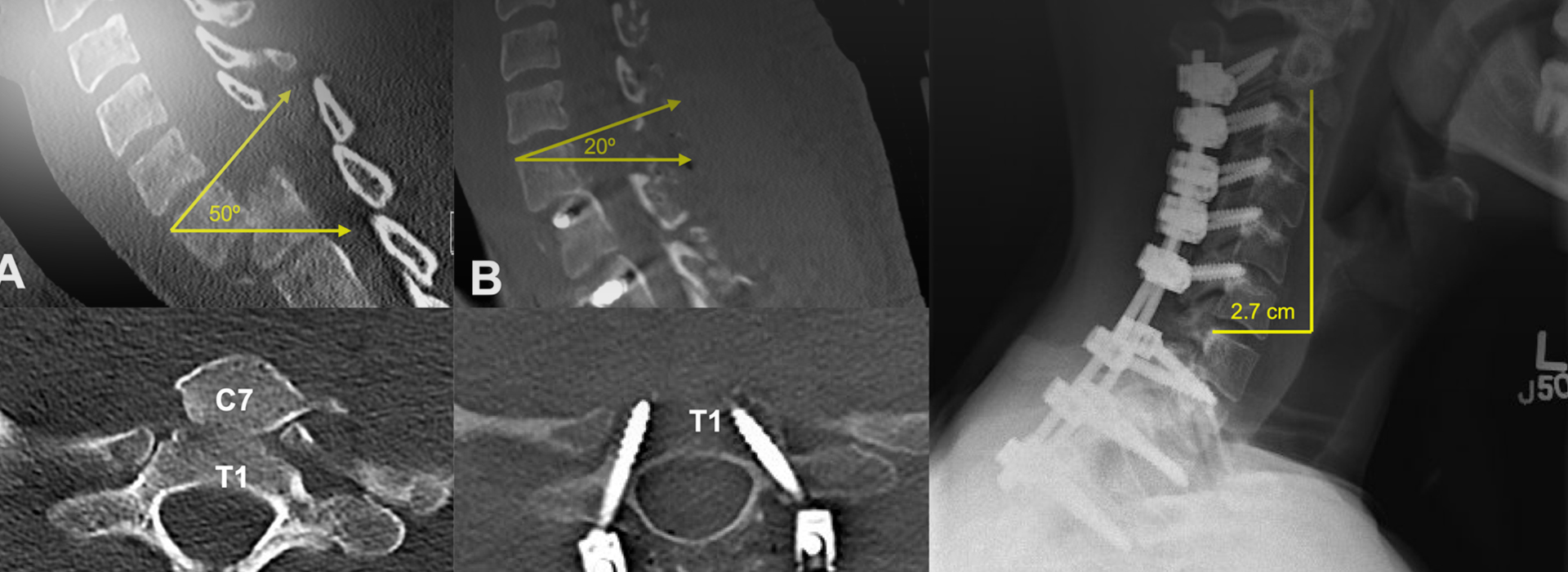
Spondyloptosis, a severe spinal condition where one vertebra completely slips off the one below it, raises significant concerns for those experiencing back or neck issues. This extreme form of spondylolisthesis can lead to instability and compression, potentially causing intense discomfort similar to cervical pain in related spinal disorders. As spine specialists in Ahmedabad, we often address queries about such conditions, emphasizing early detection to prevent complications. This guide provides informative insights and problem-solving strategies, helping you understand the risks and know when to act swiftly for optimal outcomes.
What is Spondyloptosis?
Spondyloptosis occurs when a vertebra displaces fully anteriorly over the adjacent one, most commonly in the lumbar region but occasionally affecting the cervical spine, leading to symptoms like cervical pain. It typically results from high-energy trauma, congenital defects, or progressive degeneration, differing from milder slips that might not require intervention.
In our practice as back and neck pain specialists, we've seen how this condition disrupts spinal alignment, potentially compressing the spinal cord or nerves. Symptoms include severe back pain, leg weakness, numbness, or even bowel and bladder dysfunction.
Recognizing these early is crucial, as untreated cases can escalate, making consultation with a spine specialist in Ahmedabad essential for accurate diagnosis through imaging like X-rays or MRIs.
Can Spondyloptosis be a Dangerous?
Yes, spondyloptosis is dangerous due to its potential for causing permanent neurological damage. The complete vertebral slip can lead to cauda equina syndrome in lumbar cases or myelopathy in cervical involvement, manifesting as debilitating cervical pain or limb paralysis. Without prompt care, risks include chronic instability, increased fracture likelihood, and irreversible nerve injury.
As back and neck pain specialists, we highlight that while not all spinal slips are life-threatening, spondyloptosis's severity demands attention. Factors like age, overall health, and slip location amplify dangers—elderly patients or those with osteoporosis face higher complications. Our approach focuses on educating patients to mitigate these risks through timely cervical treatment or lumbar stabilization, preventing progression to emergency scenarios.
When to Seek Immediate Medical Care?
Knowing when to seek help can prevent spondyloptosis from becoming catastrophic. Immediate medical care is vital if you experience red-flag symptoms indicating nerve or cord compression:
- Sudden Severe Pain: Intense, unrelenting back or cervical pain that worsens with movement or radiates to limbs signals urgent evaluation by a best spine surgeon.
- Neurological Deficits: Numbness, tingling, or weakness in arms or legs, especially if sudden, requires prompt assessment to avoid permanent damage.
- Bowel or Bladder Issues: Loss of control or difficulty urinating points to cauda equina syndrome, a surgical emergency; contact spine doctors immediately.
- Balance Problems or Falls: Instability or coordination loss, particularly with cervical pain, warrants immediate cervical treatment to protect the spinal cord.
- Trauma History: If symptoms follow an accident, even if delayed, seek care from a spine specialist without hesitation.
In our experience as back and neck pain specialists, acting within hours of these symptoms improves prognosis significantly. At facilities like a best spine hospital, rapid diagnostics ensure appropriate intervention.
What are the Treatment Options for Spondyloptosis?
Managing spondyloptosis often starts conservatively but may require surgical expertise from a best spine surgeon. Options include:
- Non-Surgical Approaches: Bracing, pain management, and physical therapy to stabilize the spine and alleviate cervical pain in milder or early cases.
- Medications and Injections: Anti-inflammatories or epidural steroids provide relief, supporting cervical treatment while monitoring progression.
- Surgical Interventions: For unstable slips, procedures like spinal fusion, performed by a skilled spine specialist doctor, realign and secure vertebrae, reducing risks.
We prioritize personalized plans at our clinic, drawing on advanced techniques to minimize recovery time. Consulting spine doctors early allows for less invasive options, promoting better long-term spinal health.
Preventing Complications from Spondyloptosis
While not always preventable, certain steps reduce risks and manage related issues like cervical pain:
- Maintain Spinal Health: Regular exercise strengthens core muscles, supporting the spine and preventing slips.
- Posture Awareness: Ergonomic habits during work or daily activities lessen strain, a key focus in cervical treatment.
- Routine Screenings: For those with risk factors, periodic checks by a spine specialist catch issues early.
- Lifestyle Modifications: Weight control and avoiding high-impact activities protect against degeneration.
As back and neck pain specialists, we advocate these habits to empower patients, potentially averting the need for a best spine surgeon's intervention.
Prioritizing Your Spinal Well-Being
Spondyloptosis is indeed dangerous, with potential for serious complications if ignored, but knowing when to seek immediate medical care such as for severe cervical pain or neurological changes—can make all the difference. Early action through expert evaluation often leads to successful management without extensive procedures.
At our best spine hospital, we commit to comprehensive care tailored to your needs. Dr. Pratik Israni, our lead spine specialist doctor, guides patients with precision and compassion. If symptoms arise, reach out to spine doctors for prompt cervical treatment—proactive steps today safeguard your mobility tomorrow.
Dr. Pratik Israni, our lead spine specialist doctor, champions these approaches to ensure optimal outcomes. If you're experiencing symptoms, consider reaching out for personalized cervical treatment in Ahmedabad.